

Maize Planting in Malawi: Dates and Spacing for 2026 and 2027
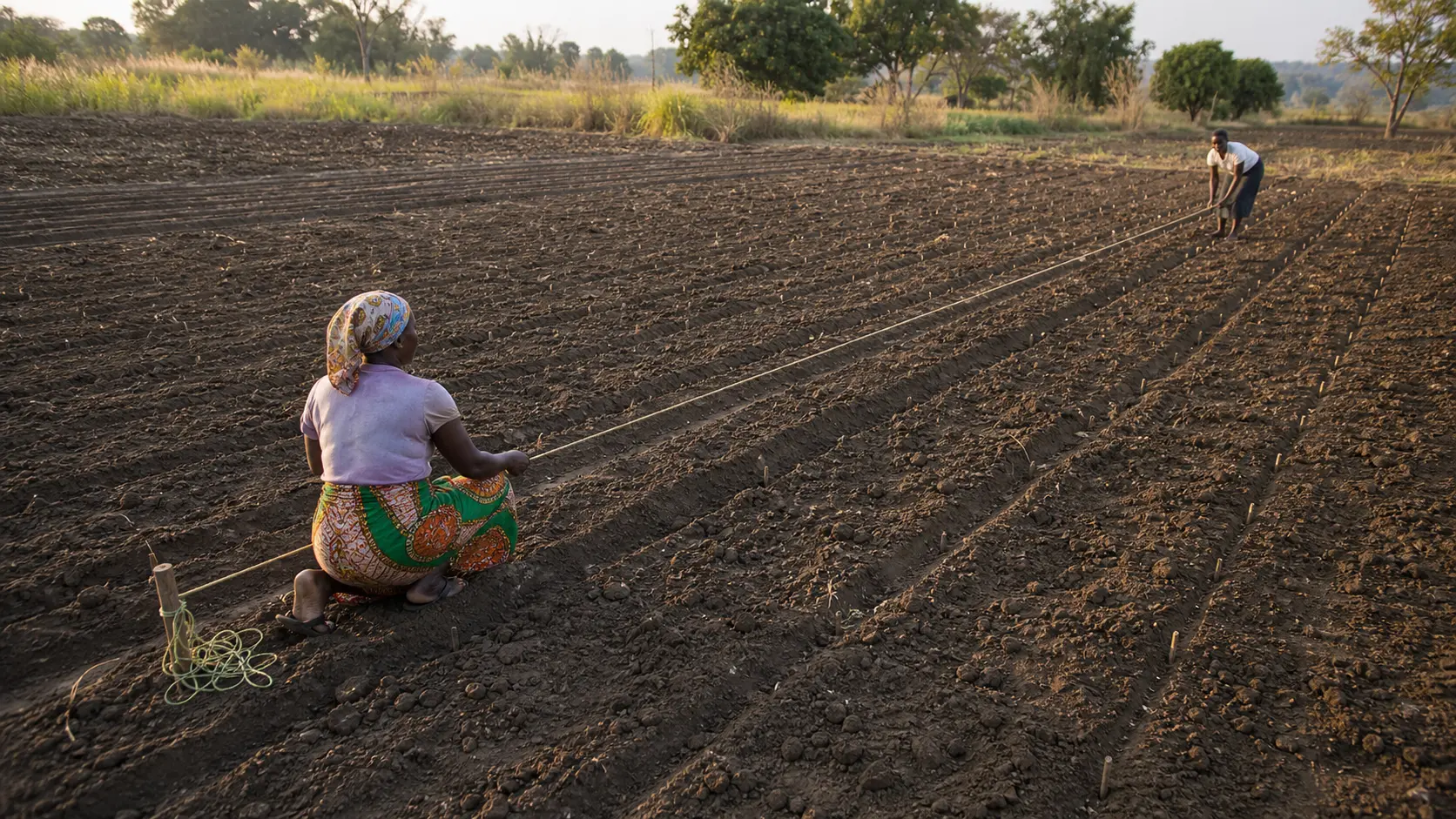
A bag of good maize seed can still produce a poor stand when it is planted into dry soil, washed out by a heavy storm, or crowded into uneven stations. The difficulty is that there is no single calendar date that guarantees success across Malawi. The practical decision is to prepare early, watch local conditions and plant when enough moisture has entered the soil not simply when the first clouds appear.
When should maize be planted?
For Malawi’s main rain-fed crop, planting normally follows the establishment of seasonal rains. FAO’s Malawi reporting shows why farmers should respond to field moisture rather than trust a fixed date: the onset can be delayed and rainfall can remain erratic even after the season appears to have started.
Prepare land, seed and measuring materials before the expected rains. After rain, check whether moisture has penetrated to planting depth. A light shower that only wets the surface may be followed by several dry days, leaving germinating seed without enough water. Local weather advisories and guidance from an extension officer should therefore take priority over a national calendar.
How location changes the decision
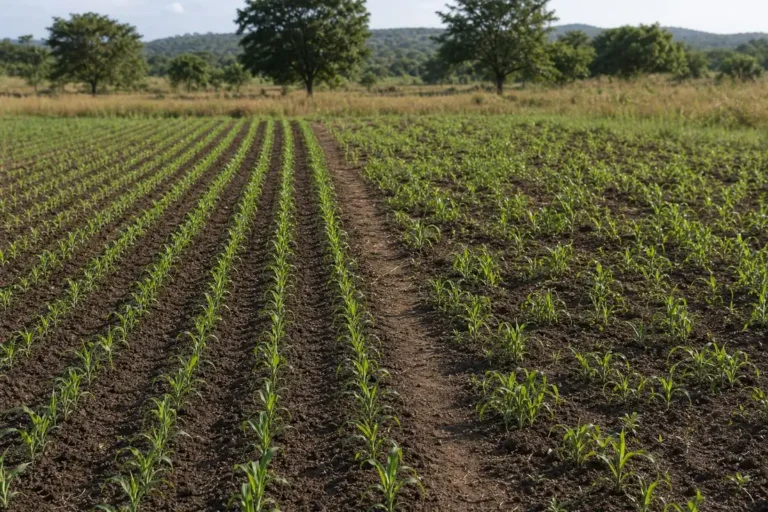
Rainfall onset, temperature and length of season vary with altitude and location. The table below is a planning guide, not a prescription.
| Agro-ecological setting | District examples | Practical planning point |
|---|---|---|
| Lower and hotter areas (Chikwawa, Nsanje, Balaka) | Southern low-altitude fields | Prepare early and act on dependable soil moisture; heat can dry shallowly wetted soil quickly. |
| Mid-altitude plateau (Lilongwe, Kasungu, Mchinji, Zomba) | Central and southern plateau fields | Follow local onset reports and confirm moisture at planting depth before sowing. |
| Cooler highlands and northern uplands (Dedza, Ntcheu, Mzimba, Rumphi) | Higher and cooler fields | Match planting to local rains and the maturity period of the selected variety. |
Farmers should also read the seed label. A variety’s maturity period affects whether it fits the expected season. For broader crop planning, see Kumunda’s complete guide to growing maize in Malawi and soil fertility management guide.
Practical maize spacing
A commonly used target is 75 cm between rows and 25 cm between planting stations, with one established plant per station. If every station establishes, this arrangement gives roughly 53,000 plants per hectare. Treat it as a starting pattern, not a universal instruction: the seed variety, soil fertility, moisture availability, ridge system and current Ministry or extension recommendation may require adjustment.
A field-ready planting method
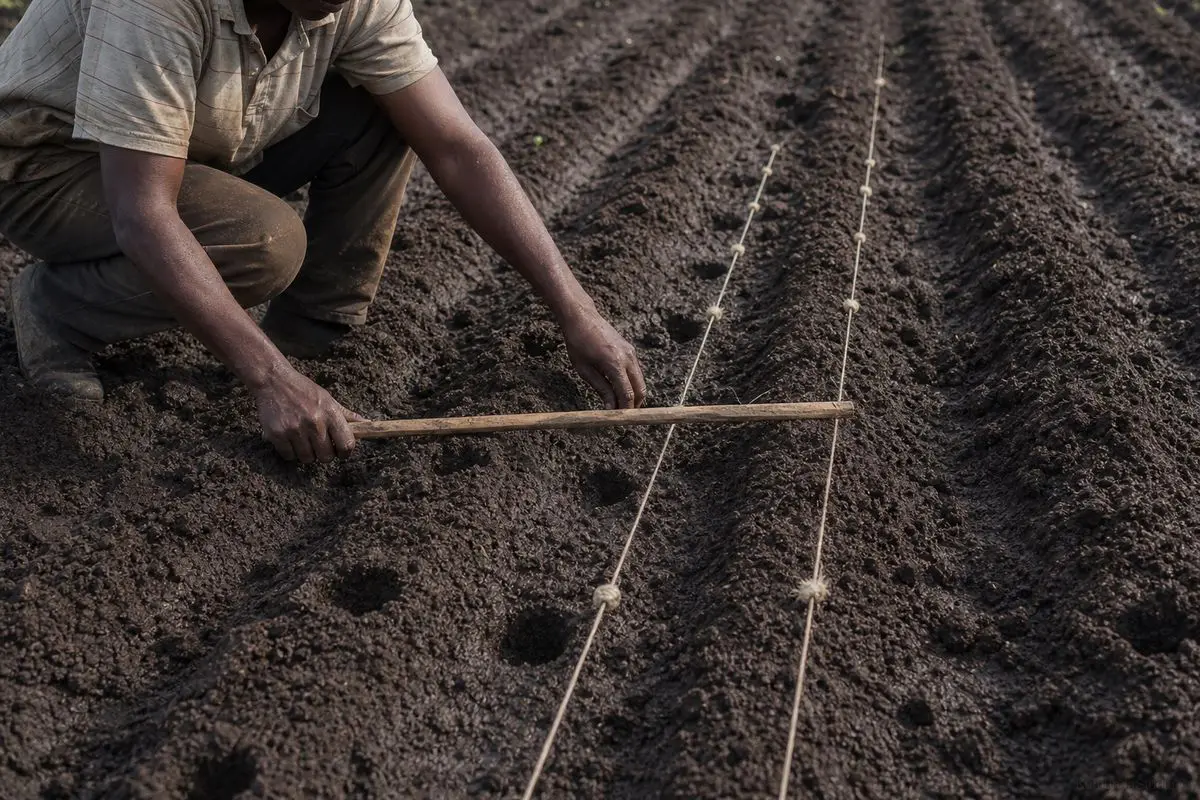
1. Finish land preparation before dependable rains. Repair ridges where used and control established weeds. 2. Measure rows. Cut a rope or stick to the recommended row distance. Keep rows as straight and evenly spaced as the field allows. 3. Mark stations. Mark the planting rope at equal intervals so workers do not estimate every hole by eye. 4. Check moisture. Open a sample hole and confirm that soil is moist at sowing depth. 5. Plant uniformly. Follow the seed label and local extension guidance for depth and seeds per station. Cover seed with soil without leaving it exposed. 6. Inspect emergence. Walk the field after germination, noting missing, crowded or washed-out stations. Ask an extension officer whether gap filling is still worthwhile; late replants can mature unevenly.
Mistakes to avoid
- Planting after one weak shower without checking moisture below the surface.
- Waiting for a fixed date while dependable local rains are already established.
- Estimating spacing by footsteps, which often produces irregular rows.
- Dropping extra seed into every station “for safety” without planning to thin.
- Mixing varieties in the same rows without understanding their different maturity periods.
- Applying a national rule without considering the field’s zone, soil and current forecast.
What to decide after spacing
Spacing sets the plant population, but the field still needs a nutrient plan. Diagnose weak patches with the soil fertility field plan, then use the maize fertiliser guide for placement and timing.
Frequently Asked Questions
What is the best maize planting date in Malawi?
There is no guaranteed date for every district. For rain-fed maize, prepare early and plant when effective seasonal rains have provided adequate moisture at planting depth, guided by local forecasts and extension advice.
Is 75 cm by 25 cm suitable for maize?
It is a common one-plant-per-station arrangement and produces about 53,000 established plants per hectare. Confirm it against the variety label and current local recommendation.
Should I dry-plant maize before rain?
Dry planting carries risk if rain arrives late or only wets the surface. Seek district-specific advice and use the latest seasonal forecast before choosing it.
Can I put two seeds in a station spaced 25 cm apart?
Not automatically. Two established plants at that spacing greatly change plant population and competition. Use the station spacing and seed number recommended for your variety and conditions.
What should I do if some seed does not emerge?
Inspect the cause first. Replanting late can create an uneven crop, so ask an extension officer whether gap filling is worthwhile at that stage.
Disclaimer: This content is for educational purposes only. Farming outcomes vary depending on soil, weather, region, and management practices. Consult a qualified agronomist or extension officer before making major farm decisions.
Related reading
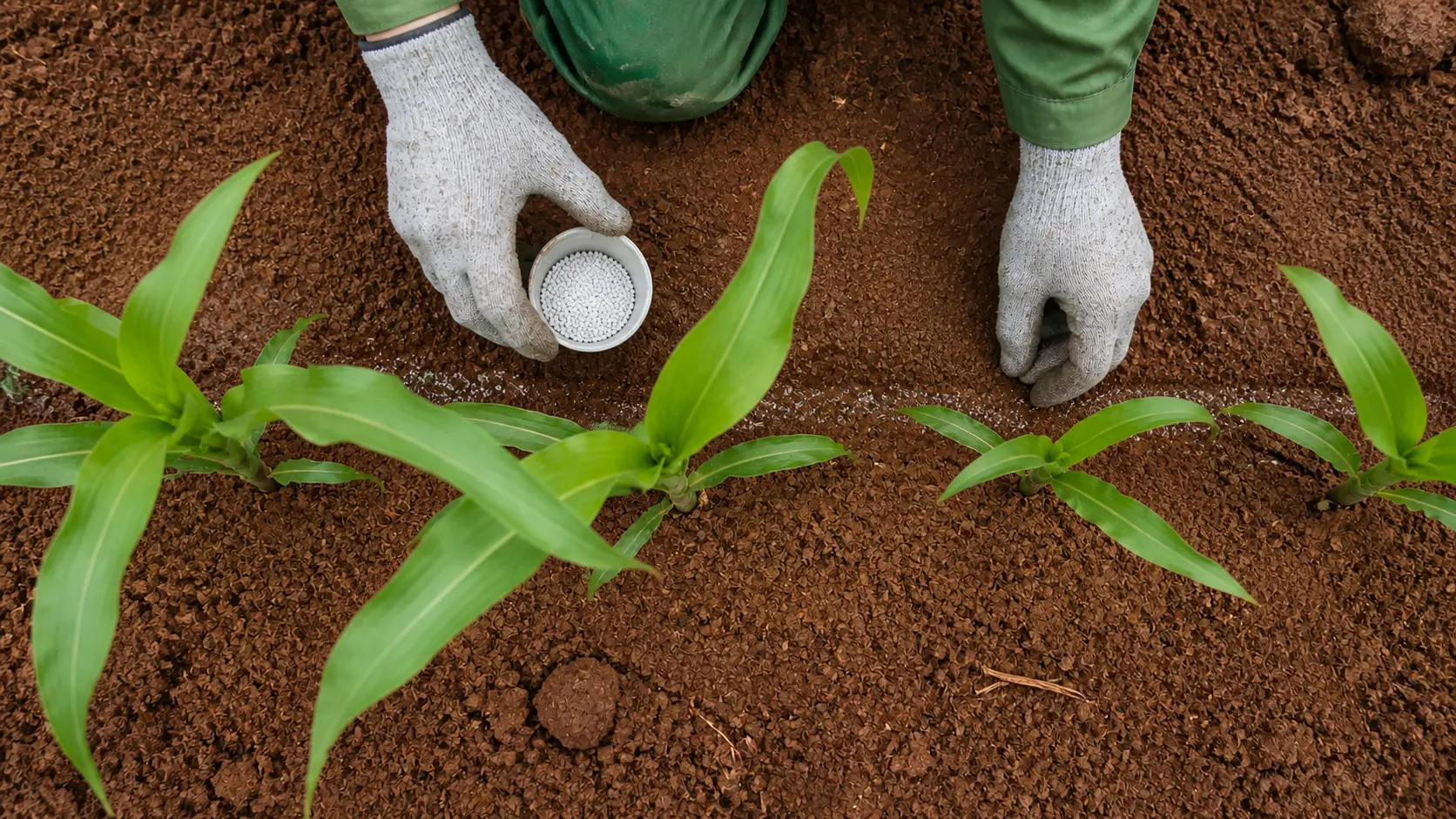
Maize Fertiliser in Malawi: Basal and Top-Dressing Guide
Place maize fertiliser safely, choose timing from crop stage and soil moisture, and avoid preventable nutrient losses.