

Soil Fertility Management in Malawi: A Field-by-Field Plan
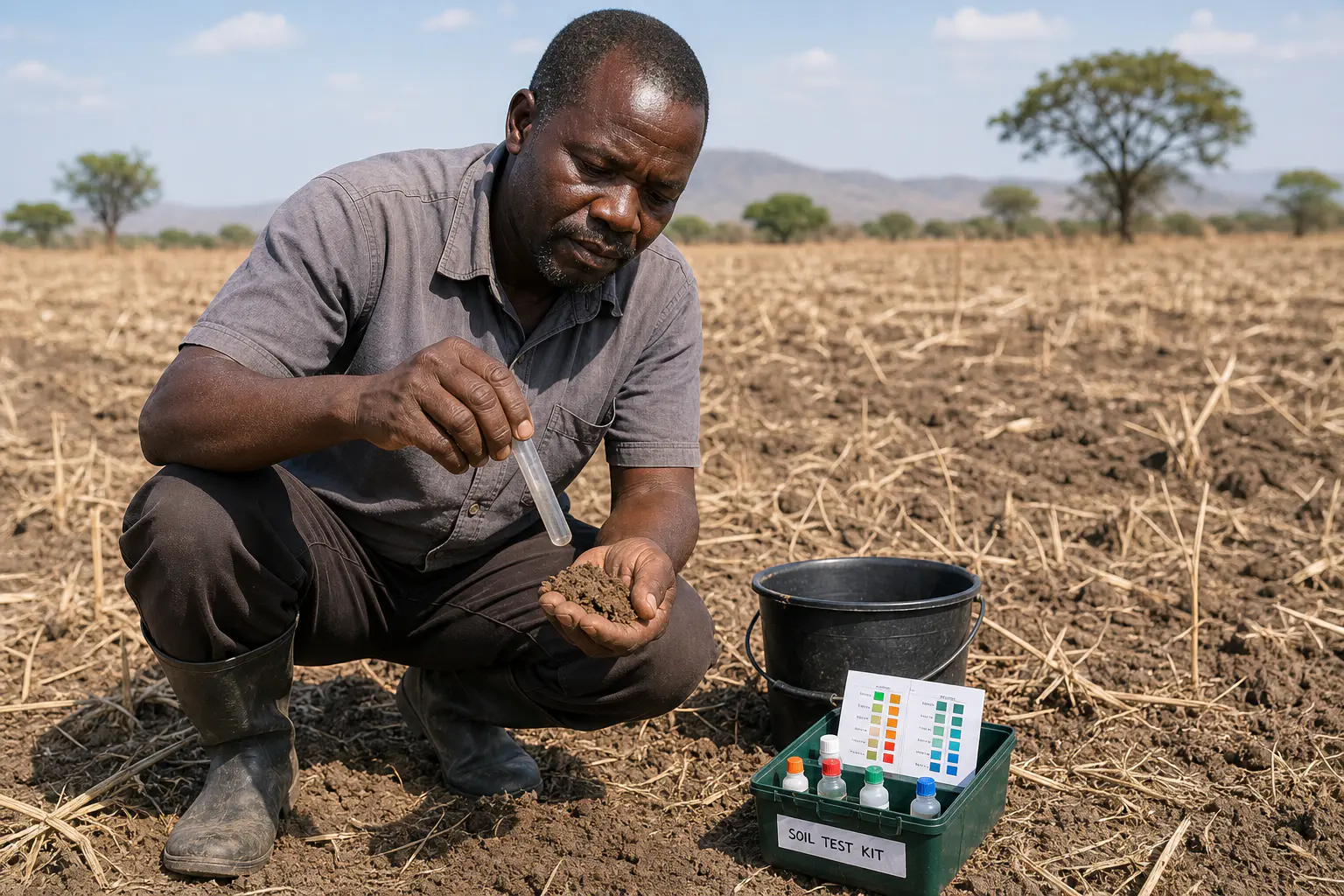
Before the first planting rain, a farmer must decide where limited manure, legume seed and fertiliser will give the best return. Start with the weakest patches of the field rather than spreading every input too thinly.
Soil fertility is not simply the amount of fertiliser applied. It also depends on soil organic matter, acidity, drainage, erosion and whether roots can reach water and nutrients. This guide helps Malawian farmers diagnose the main constraint and make a practical dry-season plan.
Start with a field map, not a blanket rate
Walk the field before clearing all crop residues. Mark areas where plants were consistently pale, short, waterlogged or scorched. Compare those patterns with slope, soil colour and previous manure or fertiliser placement. One poor plant may have pest or seed damage; a repeated patch usually points to a field condition worth investigating.
- Pale older leaves: may indicate nitrogen shortage, but drought and damaged roots can look similar.
- Stunted or purplish young plants: can be associated with limited phosphorus, cold soil or poor rooting.
- Hard surface crust and rapid runoff: suggest weak soil structure and low protective cover.
- Poor growth despite regular fertiliser: is a reason to test pH and review drainage, placement and timing.
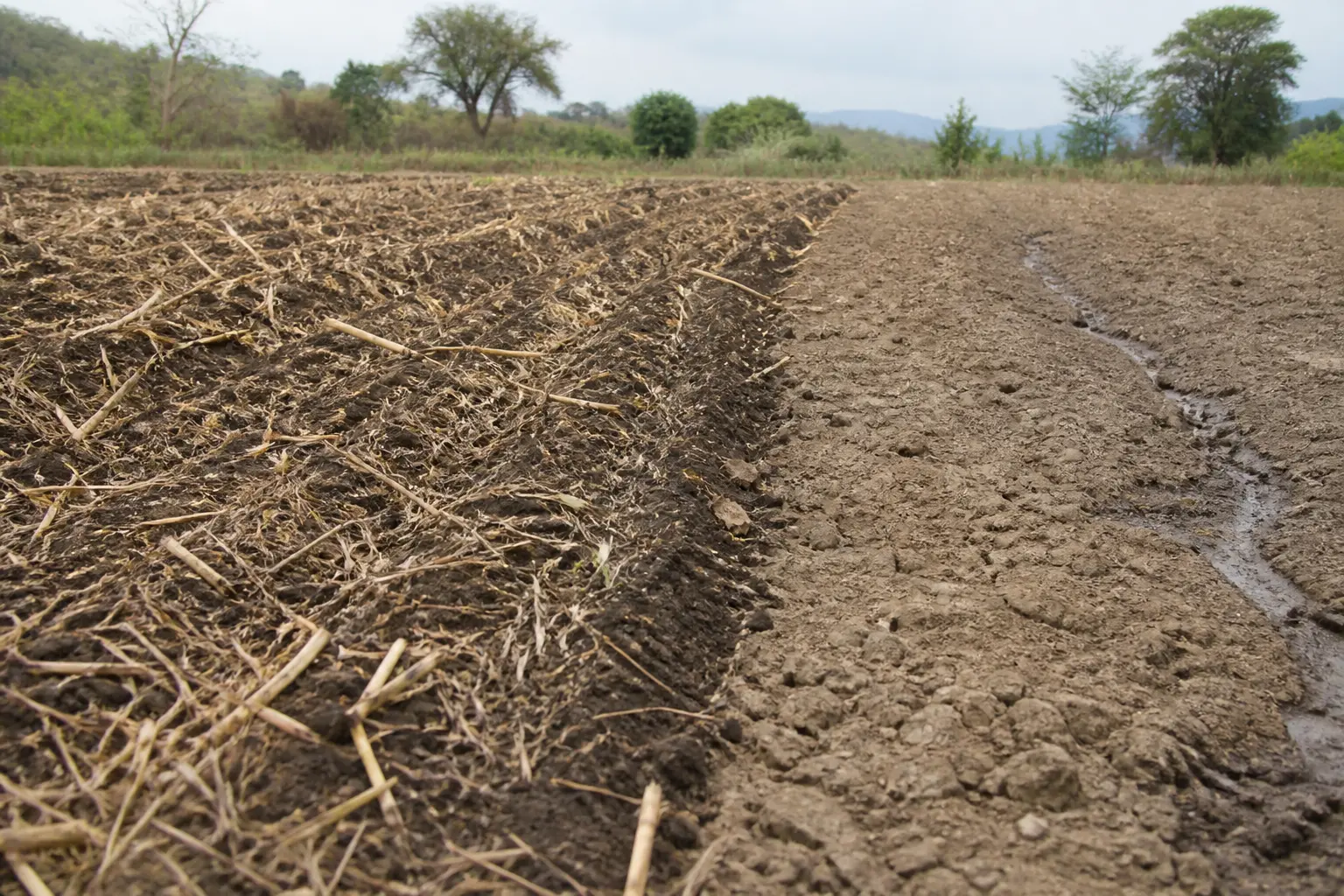
Choose the correction that matches the problem
| What you observe | Useful next check | Possible response |
|---|---|---|
| Sandy soil dries soon after rain | Depth of topsoil and remaining residue cover | Add decomposed organic material, retain safe residue cover and avoid excessive plant population |
| Water remains after storms | Drainage path and compacted layers | Improve drainage and avoid working saturated soil |
| Yield falls although fertiliser use is unchanged | Soil pH, nutrient test and application method | Use test results and local extension advice to adjust nutrients or lime |
| Runoff removes soil on a slope | Direction of ridges and exposed channels | Slow runoff, protect the surface and repair erosion pathways |
A visual symptom is a starting point, not a laboratory diagnosis. If poor growth continues, follow the sampling method in our soil pH testing guide and ask the local Extension Planning Area office what testing support is available.
Build organic matter without wasting scarce material
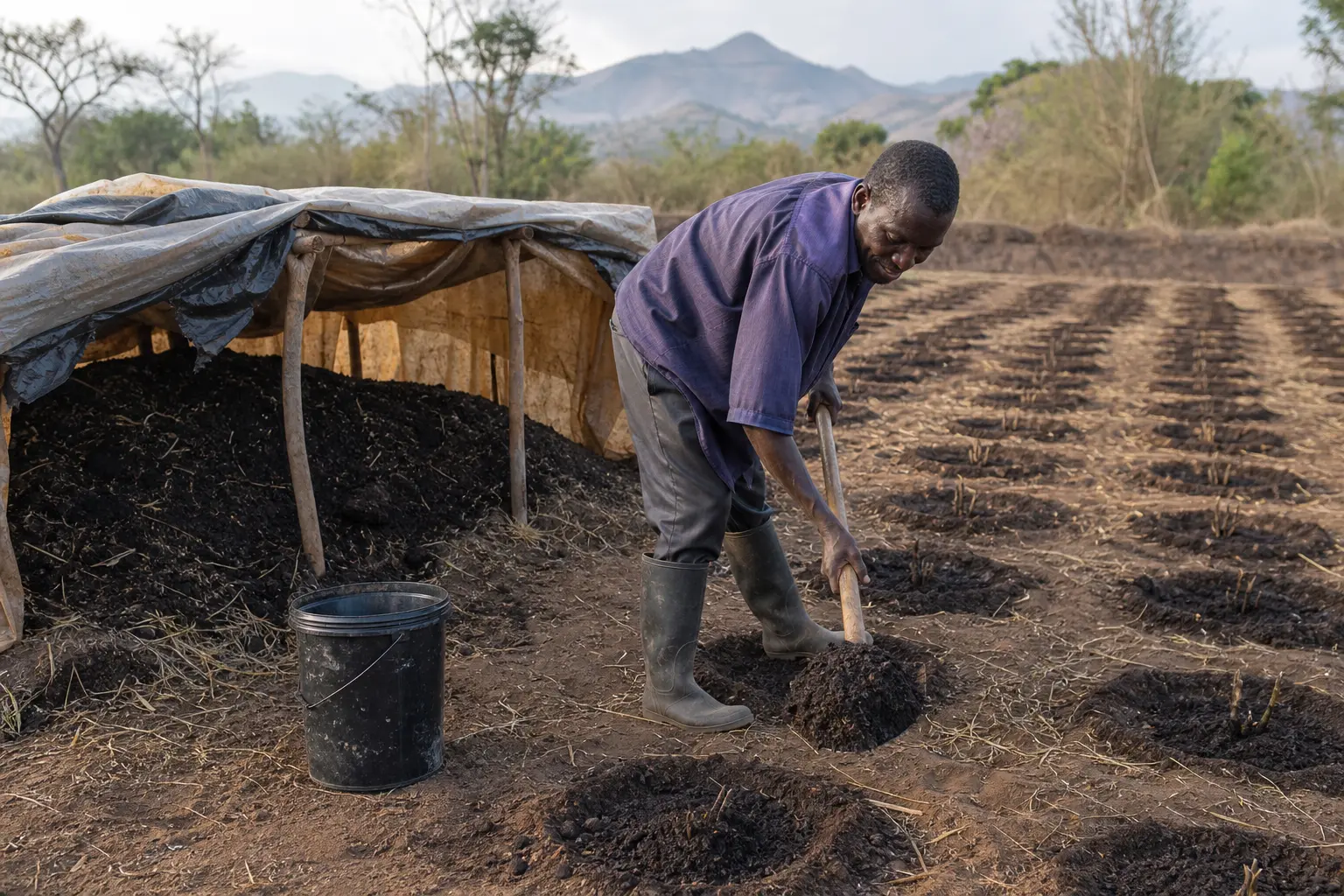
Use well-decomposed manure or mature compost. Fresh manure can burn seedlings, carry weed seed and release nutrients at the wrong time. Keep the heap covered from heavy rain, but do not seal it so tightly that it becomes waterlogged.
When there is not enough for the whole field, concentrate it in a measured strip or selected planting stations and leave an untreated comparison strip. That produces a useful farm trial and avoids pretending that a small heap can change every hectare equally.
Legumes such as groundnut, soybean, pigeonpea and cowpea add diversity and can contribute nitrogen when nodulation and biomass are good. They do not automatically remove the need for other nutrients. Choose a rotation or intercrop that fits land, food and market needs.
Use fertiliser as part of the plan
Product choice and rate should follow the crop, field history, soil information and an up-to-date local recommendation. Do not copy a neighbour’s bag count: field size, fertiliser grade and soil condition may differ.
Keep fertiliser away from direct contact with seed and stems. Apply into moist soil and cover it where the label and extension guidance require. For maize timing and placement, continue to the maize top-dressing and fertiliser guide.
Lime is not a general fertiliser. It is used to correct acidity and the required material and rate depend on a soil test. Applying it without evidence can waste money or push pH too far.
A dry-season allocation plan
- Draw a simple field map and mark weak, eroded, sandy and waterlogged patches.
- Estimate available manure or compost using the same container each time.
- Choose one priority correction for each patch instead of applying every remedy everywhere.
- Reserve a short comparison strip so you can judge the response after harvest.
- Record product, amount, date, rainfall and crop response.
- Confirm fertiliser and lime decisions with current district guidance before buying.
Decision checks before spending
Should I buy lime because maize is yellow? Not from colour alone. Check roots, moisture, fertiliser placement and pH first.
Can manure replace all fertiliser? Sometimes it supplies useful nutrients, but its nutrient content varies. Treat it as one part of the fertility plan and monitor the crop response.
Which field should receive limited compost first? Choose a manageable area where low organic matter or rapid drying is the likely constraint, while avoiding patches whose main problem is flooding or severe erosion.
This guide supports planning, not a field-specific prescription. Product labels and current advice from Malawi’s agricultural extension services take priority.
Related reading
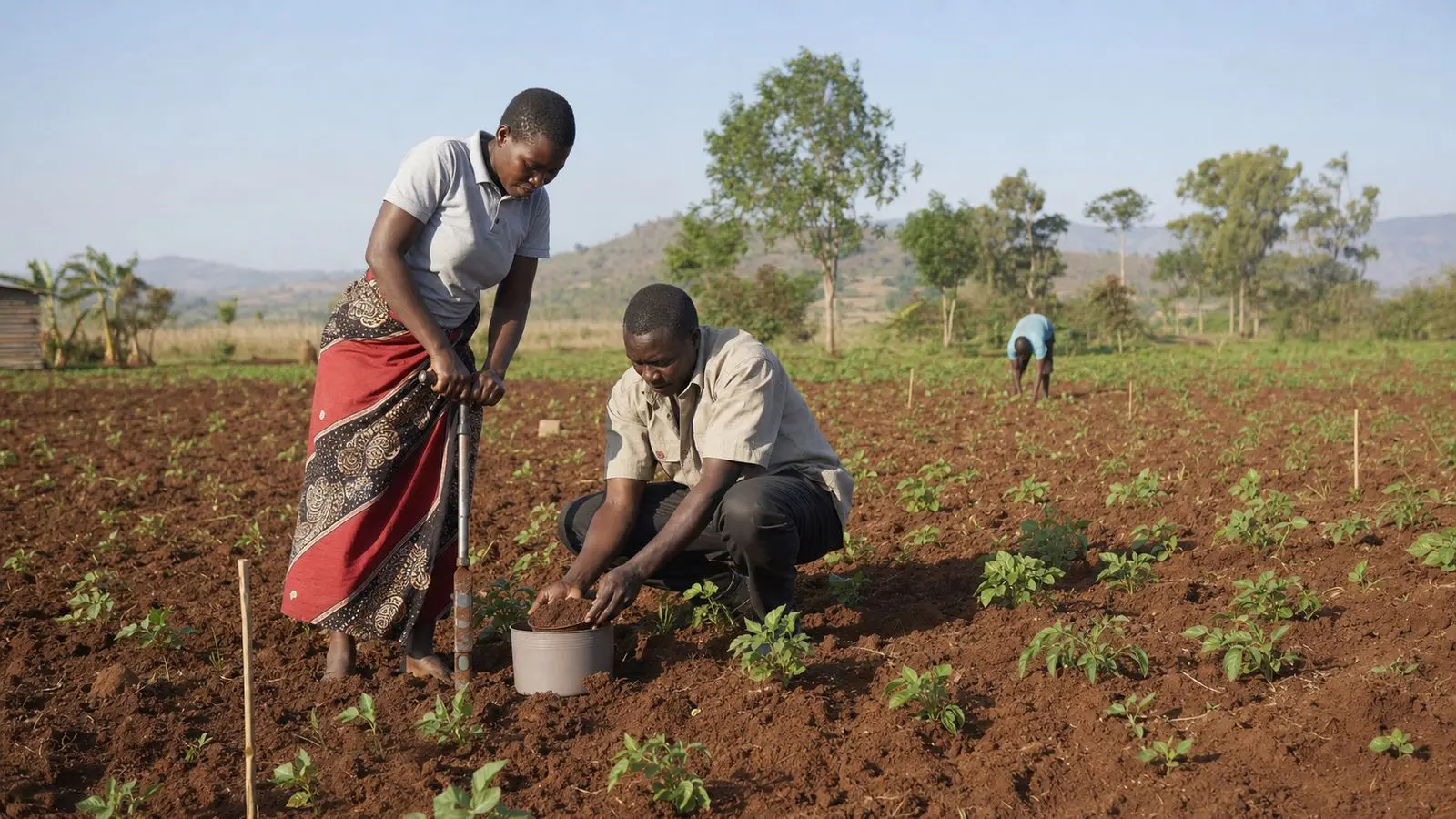
Soil pH in Malawi: How to Test and Improve It
Collect a representative soil sample, understand what its pH result can and cannot tell you, and correct acidity safely.
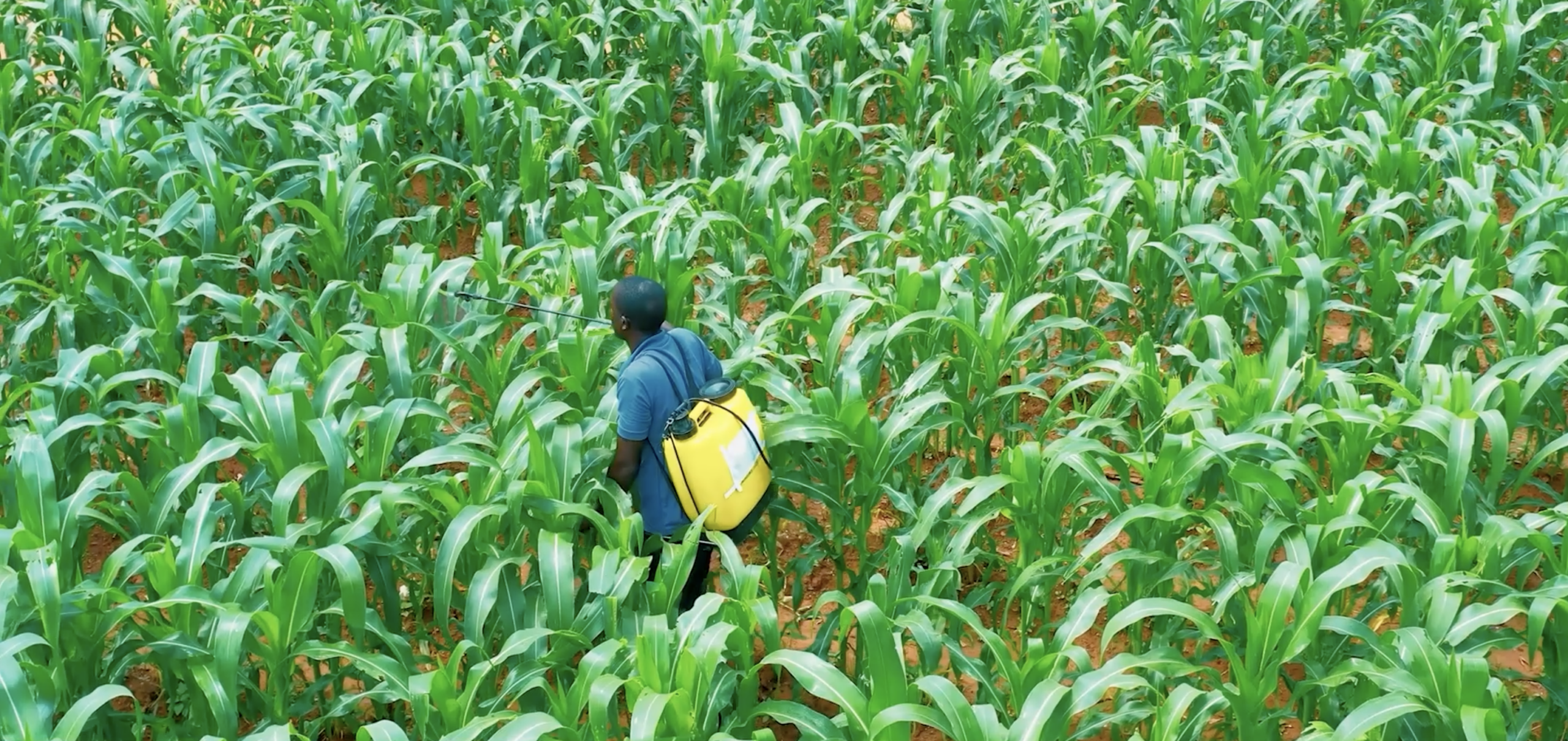
Why Farmers Are Switching to Nano Urea Fertiliser in Malawi
Nano urea fertilizer is changing how farmers apply nitrogen to maize fields. Learn how it works, why some farmers prefer it, and what to consider before using it in Malawi.