

Maize Fertiliser in Malawi: Basal and Top-Dressing Guide
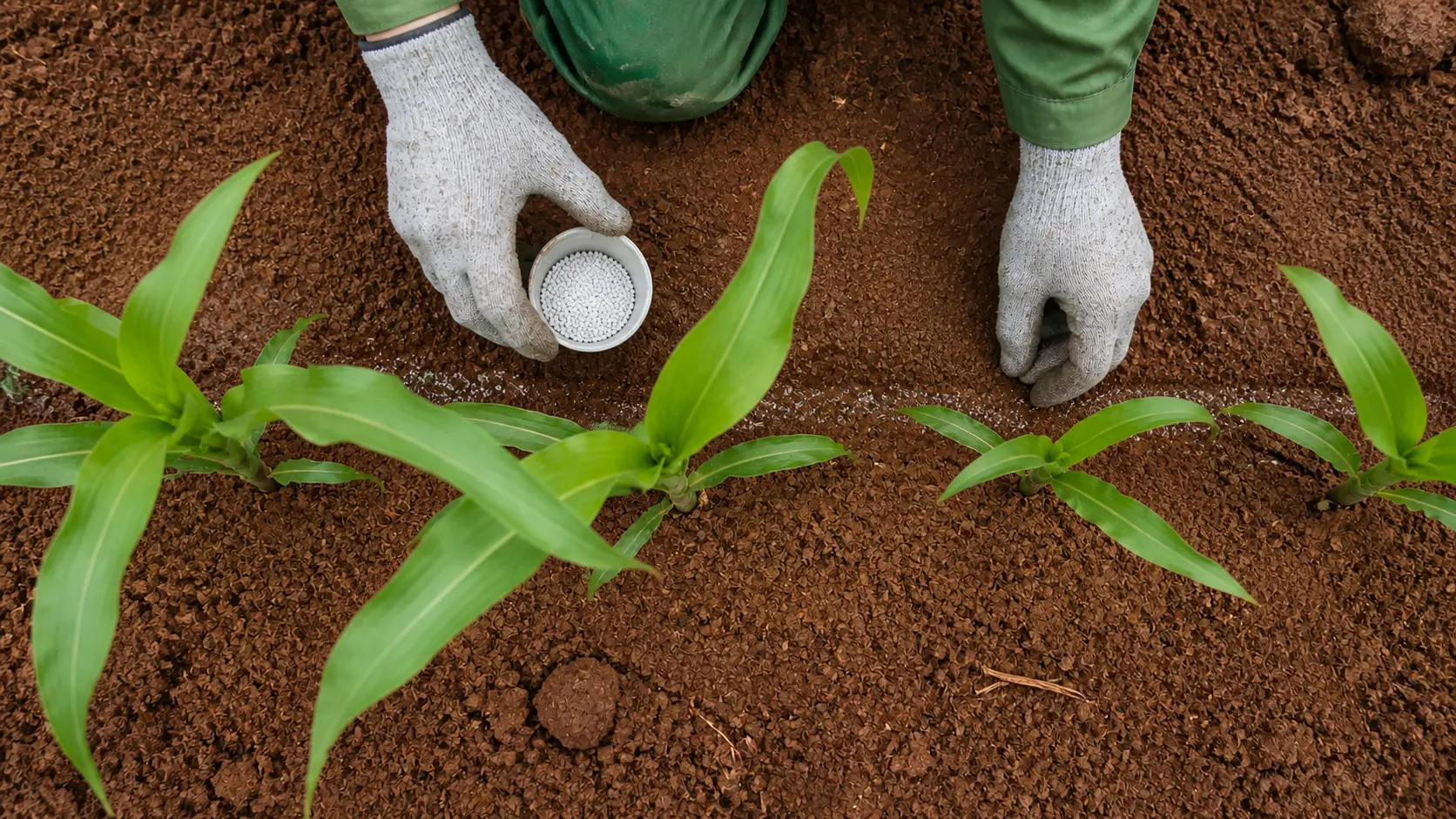
Fertilizer gives the best return when the right product is applied at the right time and kept where maize roots can reach it. The rate should not be copied blindly from another farm. Malawi’s soils and rainfall patterns vary, and a recommendation that suits one area may waste money or damage plants in another.
Use this guide to plan the work, then confirm the final rate with your local extension officer. If a soil test is available, use it to guide the choice of nutrients.
Basal fertilizer and top dressing do different jobs
Basal fertilizer is applied at planting or soon after emergence. It supplies nutrients needed for early root and plant growth. Top dressing is applied after the crop is established and mainly supplies nitrogen for rapid leaf and stem growth.
The Malawi Ministry of Agriculture farmer field school handbook gives an example programme of 100 kg per hectare of 23:21:0+4S as the basal fertilizer, followed by 150 kg per hectare of urea at 3 to 4 weeks after emergence. This is an extension example, not a universal prescription. The correct product and rate are area and crop specific.
Do not substitute DAP, NPK, CAN, or urea simply because the bag is available. These products contain different amounts and combinations of nutrients. Ask an extension officer to translate the local recommendation into the product sold in your area.
When to apply fertilizer
At planting or just after emergence
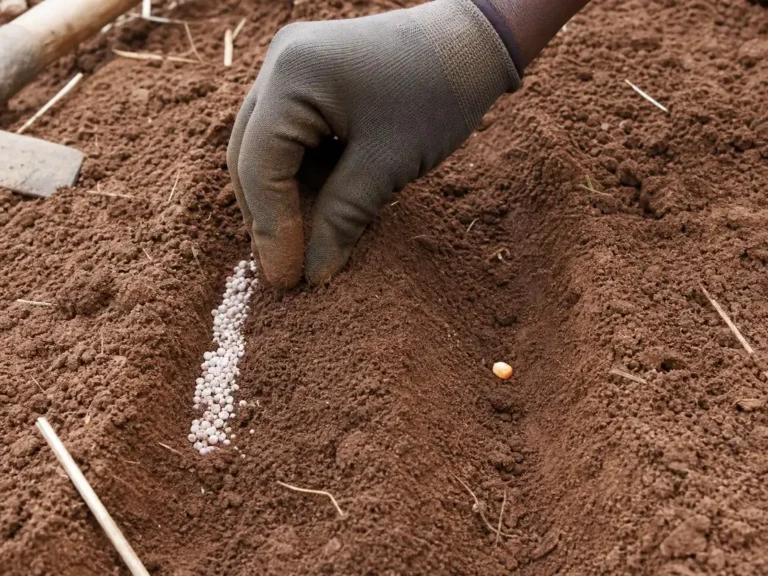
Apply the recommended basal fertilizer at planting or within the early establishment period advised locally. The Ministry handbook describes application at planting or about 5 to 7 days after planting.
Keep fertilizer away from direct contact with seed. Place it to the side of the planting position and cover it with soil. Direct contact can injure seed or young roots. Follow the spacing and depth demonstrated by an extension officer for your ridge and planting system.
Three to four weeks after emergence
Top dress when maize is growing actively, commonly around 3 to 4 weeks after emergence. Do not rely only on calendar days. Check that the stand is established and that the soil has useful moisture.
Malawi research shows that timing and split nitrogen applications can improve nitrogen use. If local advice calls for a split dose, follow the stated stages.
Avoid applying urea to very dry soil, waterlogged ground, or immediately before heavy runoff is likely. Apply when there is soil moisture and a reasonable chance of gentle rain, then cover or incorporate the fertilizer as locally recommended.

Step-by-step application
1. Confirm the recommendation. Check the product, rate, timing, and field area with an extension officer, then read the bag label. 2. Measure the field. Convert a hectare rate correctly for the actual plot size. 3. Use a calibrated measure. Household cups, bottle tops, and handfuls vary too much. 4. Protect yourself. Wear gloves and closed shoes, wash after handling, and store bags away from children, animals, food, and water. 5. Place and cover. Apply a consistent amount in the recommended position, away from seed and stems, then cover it with soil. 6. Keep records. Note the product, amount, field, date, rainfall, and crop stage.
How to avoid common losses
- Do not apply a blanket rate without checking local advice.
- Do not place fertilizer directly on seed, leaves, or stems.
- Do not guess the measure or change products without recalculating nutrients.
- Do not apply all nitrogen early when a split application is recommended.
- Do not top dress a severely drought-stressed or waterlogged crop.
- Do not treat manure as a fixed replacement for fertilizer. Nutrient content varies with material, storage, and decomposition.
Well-prepared manure or compost can improve soil structure and add nutrients. Apply it early enough to mix with the soil, and ask for advice on how it changes the mineral fertilizer requirement. A soil fertility plan should combine crop residues, legumes, manure or compost where available, and carefully targeted fertilizer.
Frequently asked questions
Can I apply urea when the soil is dry?
Wait for suitable soil moisture and local rainfall advice. Urea left on a dry surface can be poorly used, while heavy rain can move nutrients away from the root zone.
How close should fertilizer be to a maize plant?
It should be close enough for roots to reach but not touching seed or stem. Placement varies with the planting system, so use the spacing and depth demonstrated by your extension officer.
Can manure replace all mineral fertilizer?
Not by a fixed percentage. Manure quality varies widely. Compost and manure improve soil health, but a soil test or local recommendation is needed to decide whether extra nitrogen, phosphorus, sulphur, or other nutrients are required.
Good fertilizer management is precise, timely, and local. Confirm the recommendation, measure accurately, protect seed and stems, and keep records. Those steps reduce wasted inputs and give maize a better chance to respond.
Plan the next field check
Confirm plant population with the planting and spacing guide. If crop response remains uneven, map the weak patches using the soil fertility plan and test pH before assuming that more fertiliser is the answer.
Related reading
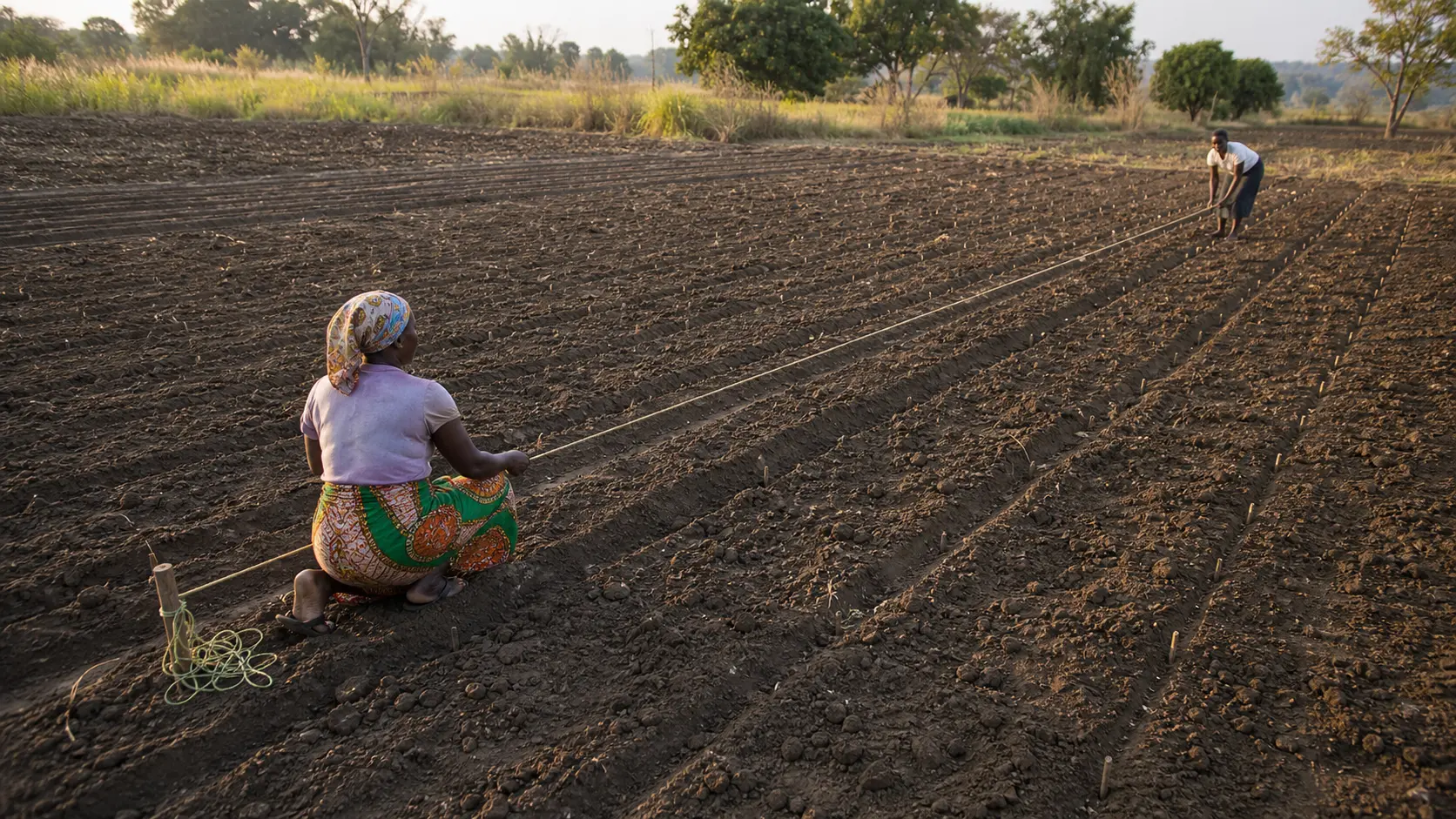
Maize Planting in Malawi: Dates and Spacing for 2026 and 2027
Choose maize planting time from effective soil moisture, then mark consistent spacing for an even stand across the field.