

Fall Armyworm in Maize: How to Control It in 2026 and 2027
When maize is growing quickly in the rainy season, fresh leaf damage can appear almost overnight. Do not begin by spraying the whole field. First confirm the pest, inspect a useful spread of plants and combine practical controls. Fall armyworm management works best as an integrated plan, not as one product or one treatment.
Fall armyworm control is one part of a wider farm strategy. Read our complete guide to integrated pest management in Malawi to connect scouting, prevention, natural enemies and safe control decisions across crops.
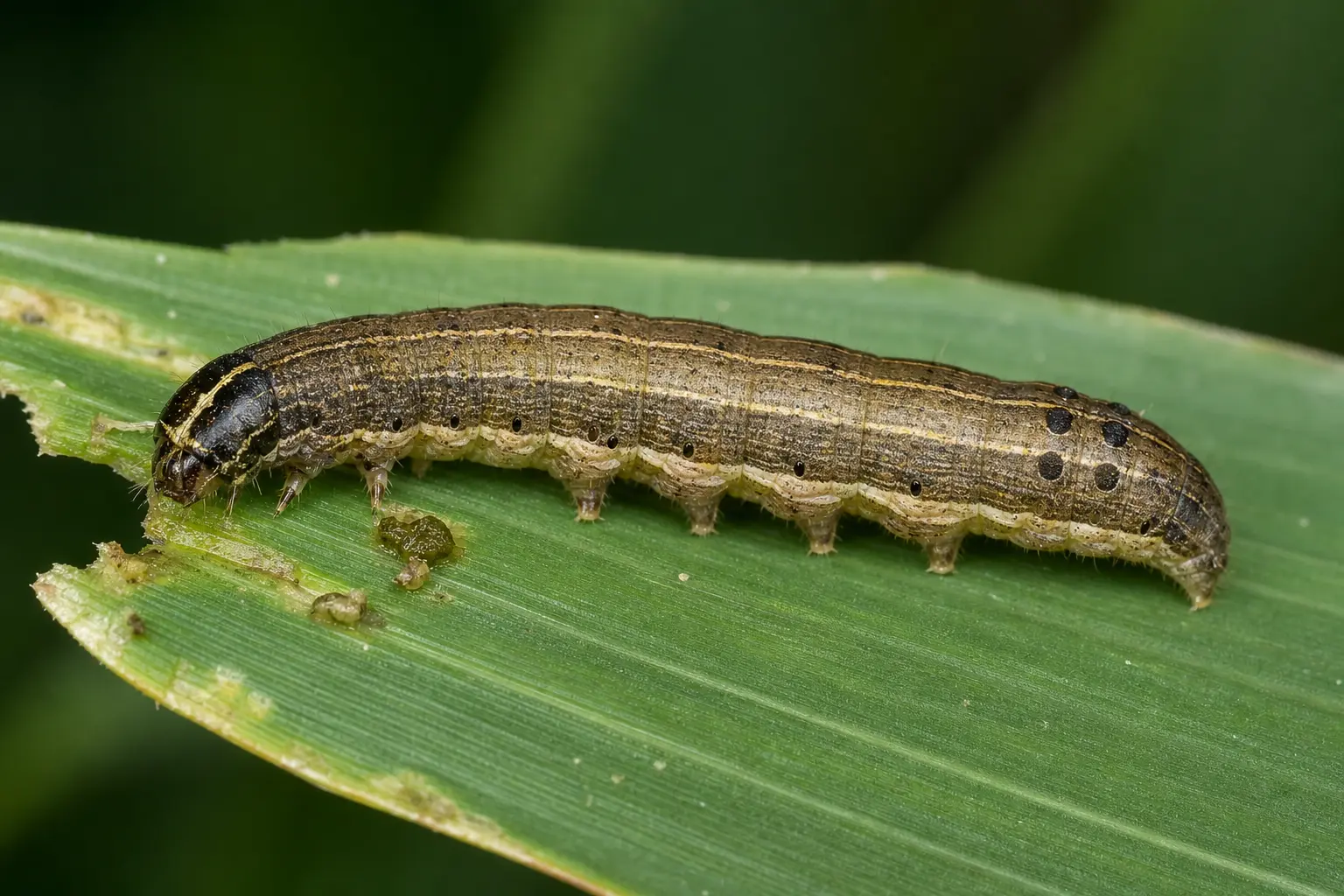
How to recognise fall armyworm
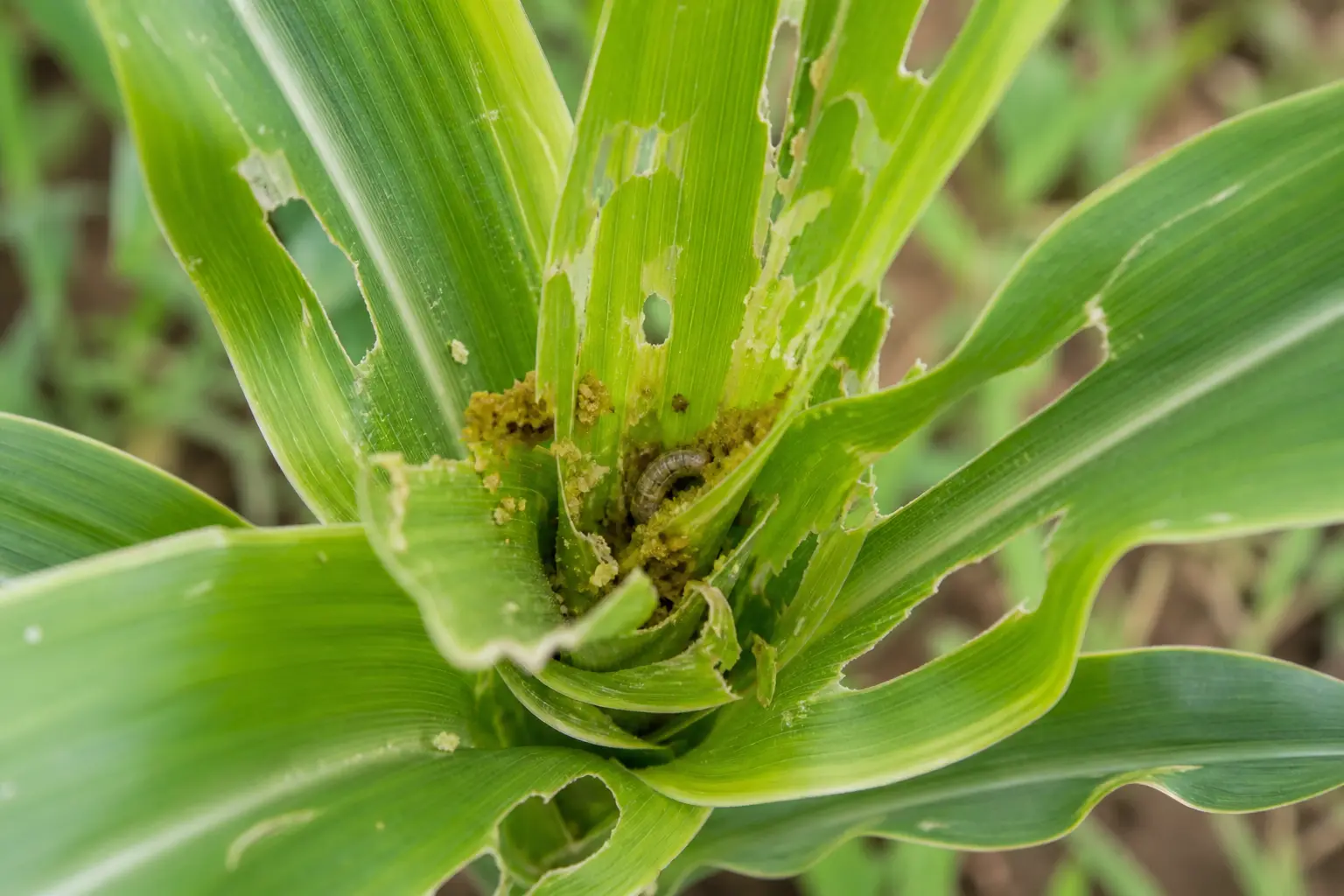
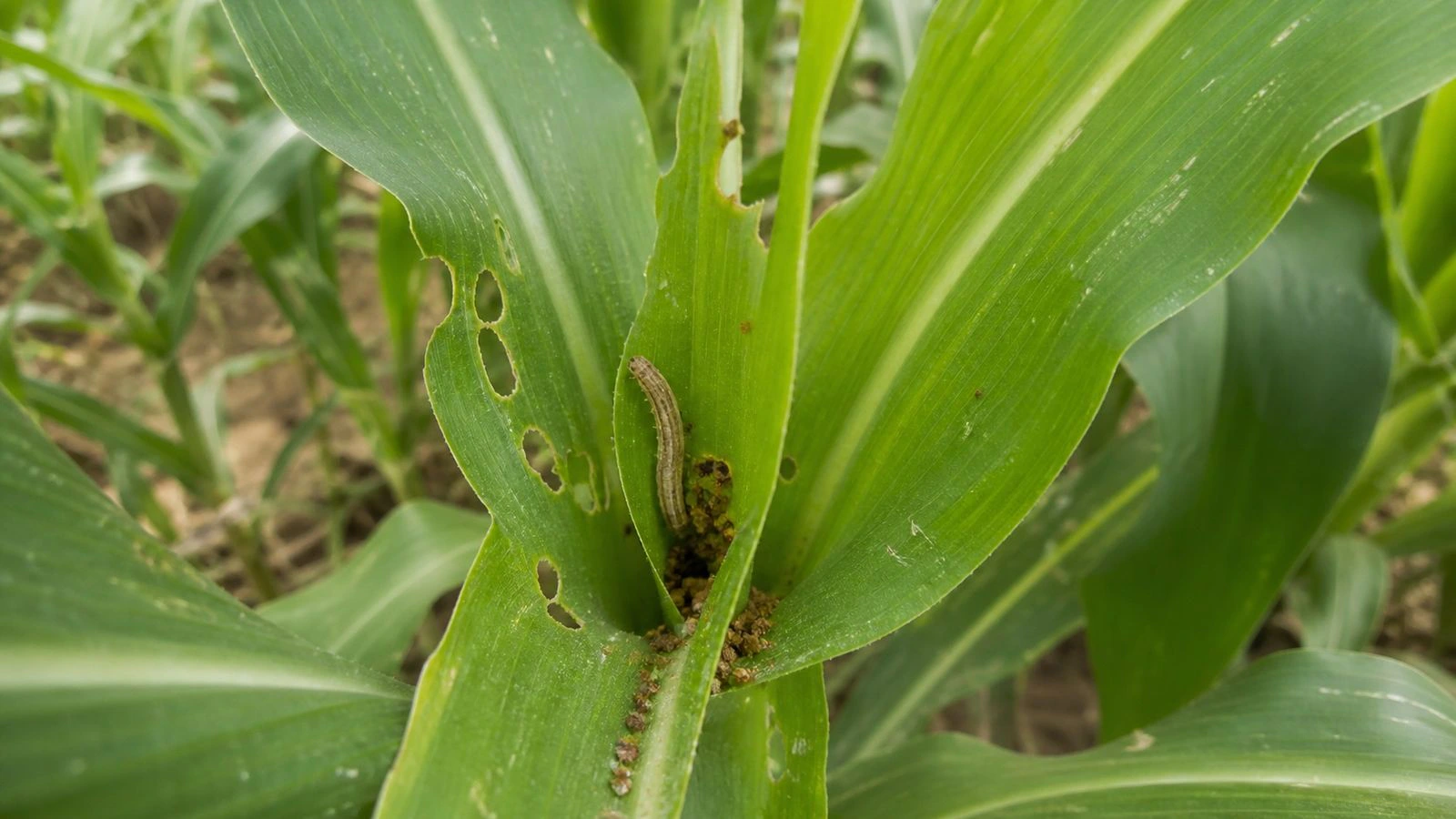
Look for fresh feeding on young leaves, ragged holes and moist, sawdust-like frass inside the maize whorl. Egg masses may occur on leaves, and small larvae can scrape the surface before larger larvae make more obvious holes. A suspected caterpillar should be identified carefully because other insects can also damage maize.
Old holes remain visible after the caterpillar has gone, while fresh damage and live larvae show current activity. If identification is uncertain, take a clear photograph to an extension officer.
Scout before deciding
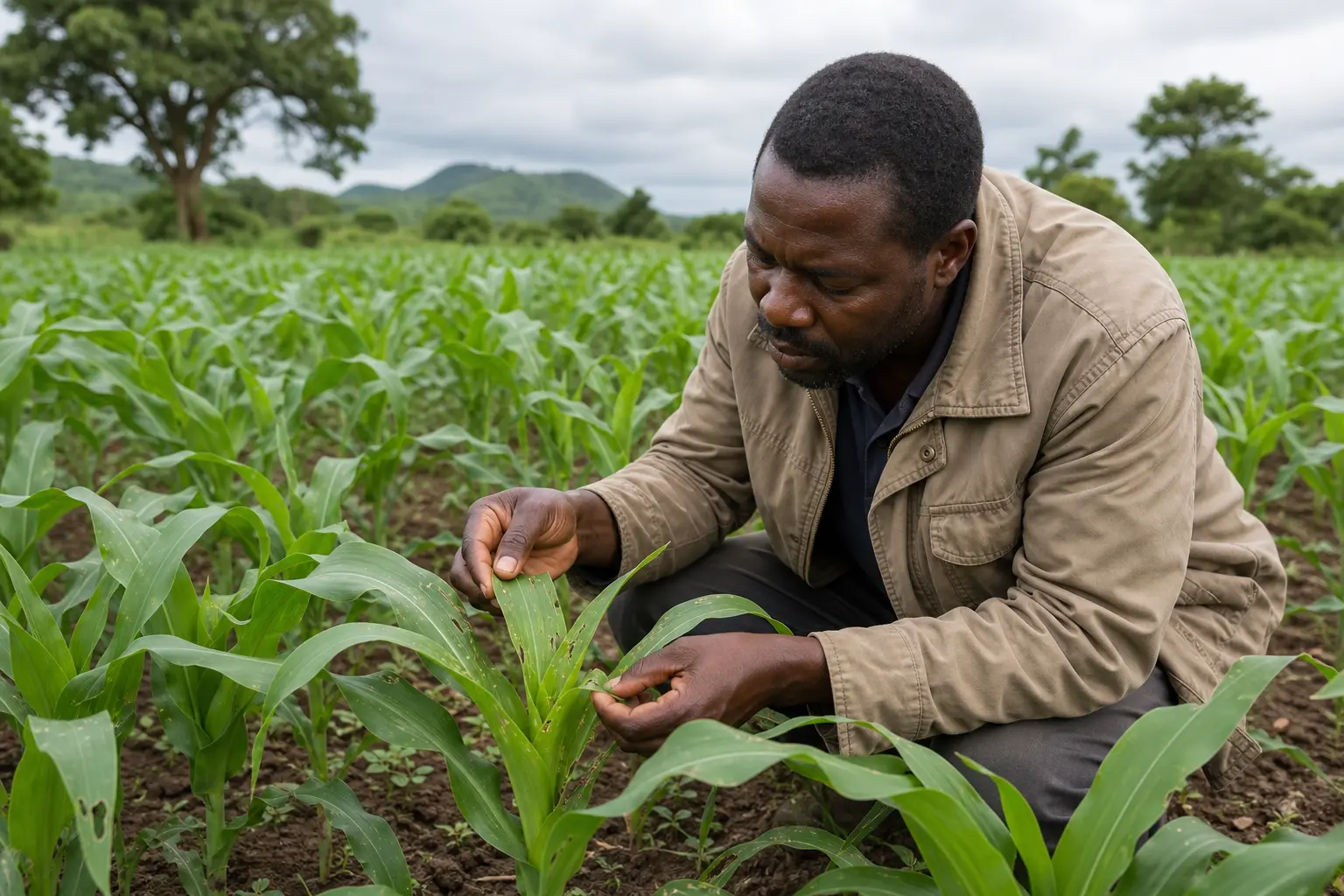
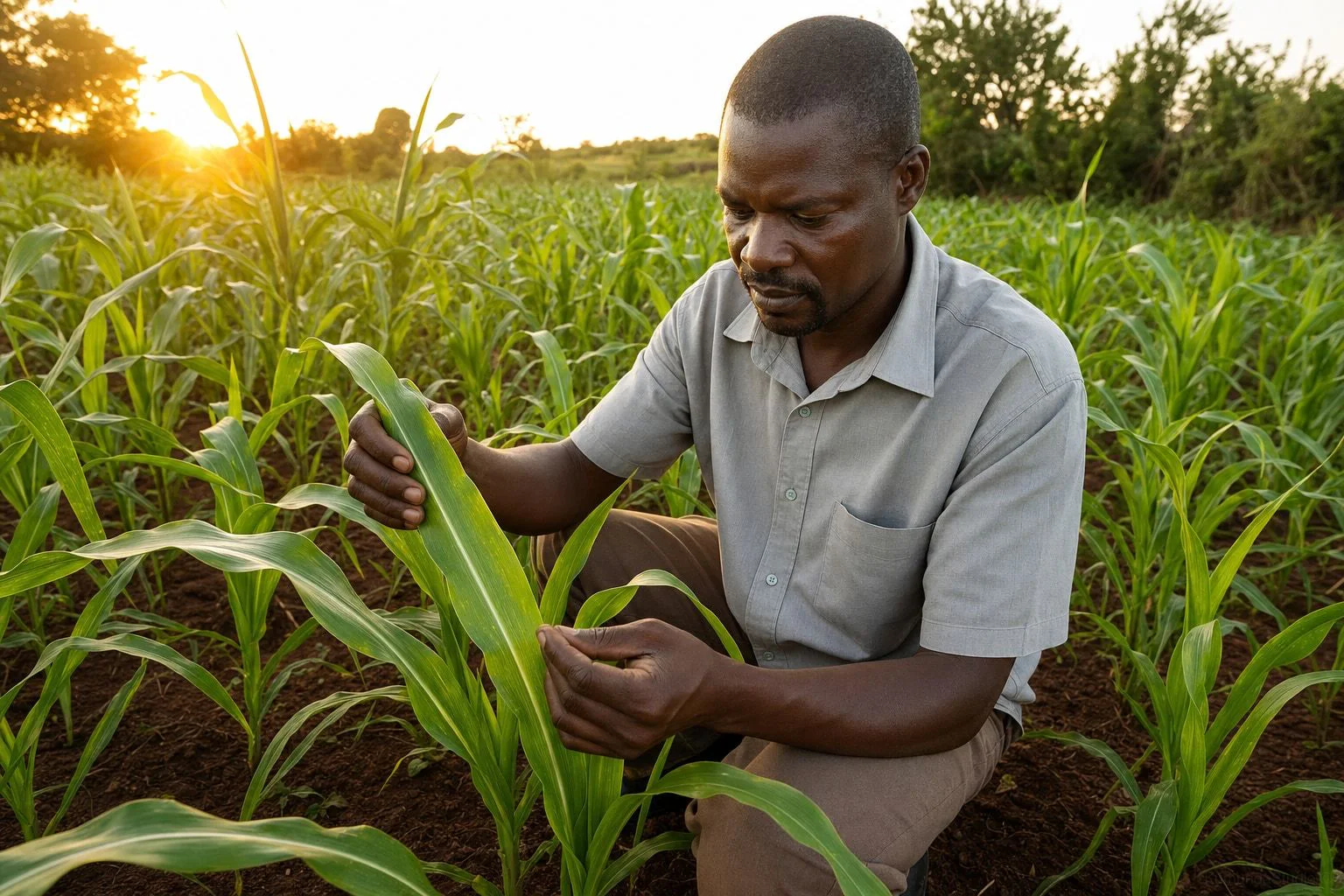
Walk through the field in a W or zigzag pattern and stop at several points. At each stop, inspect a consistent number of plants. Record the growth stage, number with fresh damage, presence of live larvae and whether natural enemies are visible. Repeat scouting regularly while maize is young, especially after new damage appears.
Pheromone traps can indicate that adult moths are present, but they do not replace plant inspection. The decision to act should consider fresh damage, crop stage, larval size, weather, cost and local guidance. Ask the extension office which action threshold is approved for the district.
Protect the crop and its natural enemies
FAO recommends integrated fall armyworm management that combines measures while reducing unnecessary pesticide use. Plant at the recommended time, use suitable seed, maintain balanced soil fertility and manage weeds.
Avoid routine broad-spectrum spraying. Ants, earwigs, spiders, beetles, parasitoids and other organisms can attack fall armyworm eggs or larvae. Spraying without a confirmed need can kill these natural enemies, expose people and livestock, and increase costs.
Push-pull systems use a repellent intercrop such as suitable Desmodium and an attractive border crop such as Napier grass. Farmers interested in this managed system should obtain locally appropriate planting material and instruction.
What farmers can do by hand
In a small field, early infestations may be reduced by crushing egg masses and handpicking visible larvae. Wear gloves and do not ask children to handle caterpillars or treated plants.
Do not pour soil, ash, detergent, oil or homemade mixtures into whorls without current extension advice. Concentration and crop safety are difficult to control. Record what was done and scout again.
When pesticide use is considered
Pesticide should be considered only after the pest is confirmed and local guidance indicates that treatment is justified. Under the Malawi Pesticides Act, pesticides are registered and controlled by the Pesticides Control Board. Registration and recommendations can change, so obtain the current Malawi-approved product and label instructions from an extension officer or authorised supplier. Do not use a product merely because it worked in another country or is sold under a familiar name.
If treatment is advised, follow the label exactly, including dose, water volume, protective clothing, re-entry period and pre-harvest interval. Never mix products or increase the dose unless the label permits it. Keep people, animals, food, seed and water away from mixing and spraying.
Young larvae are generally easier to reach than large larvae hidden deep in the whorl, which is another reason early scouting matters. Rotate modes of action only under qualified guidance; changing brand names does not necessarily change the active ingredient or resistance group.
Mistakes to avoid
- Spraying after seeing one damaged plant without inspecting the field.
- Confusing old leaf holes with an active infestation.
- Using an unregistered product or copying a dose from another country.
- Applying a stronger mixture because the first spray did not appear to work.
- Killing natural enemies through repeated calendar spraying.
- Allowing children to mix, carry or apply pesticides.
- Ignoring protective clothing, re-entry time or pre-harvest interval.
Trusted Sources
- FAO: Fall armyworm scouting guidance
- FAO: Integrated management of fall armyworm on maize in Africa
- icipe: Evidence for push-pull against fall armyworm
- Government of Malawi: Pesticides Act
Frequently Asked Questions
Does every damaged maize plant need pesticide?
No. Confirm fresh activity, inspect plants across the field and use the current local action guidance. Old damage can remain after larvae have disappeared.
Can I control fall armyworm without chemicals?
Early scouting, hand removal in small fields, timely planting, good crop management and conservation of natural enemies can all contribute. Results depend on crop stage and infestation, so continue monitoring.
Do pheromone traps control the pest?
Traps mainly help monitor adult moth activity. They do not show how many maize plants currently contain damaging larvae, so inspect the crop as well.
Which pesticide should I buy?
Use only a product currently registered and recommended in Malawi for the crop and pest. Ask an extension officer or authorised supplier and follow the approved label; this article does not prescribe a product or dose.
Should I spray again if leaf holes remain?
Not automatically. Old holes do not heal. Look for new feeding, live larvae and local guidance before deciding whether any further action is justified.
Disclaimer: This content is for educational purposes only. Pest pressure, approved products and farming conditions vary. Consult a qualified agronomist or extension officer before using pesticides or making major crop-management decisions.
Related reading
Botanical Pest Control in Malawi: A Safer Guide for Farmers
Learn how to assess botanical pest treatments safely through correct identification, prevention, field monitoring and approved-product guidance.
Integrated Pest Management for Malawi Crops
Learn how to prevent, identify, monitor and manage crop pests safely in Malawi using practical IPM steps for maize, beans and vegetables.