

Botanical Pest Control in Malawi: A Safer Guide for Farmers
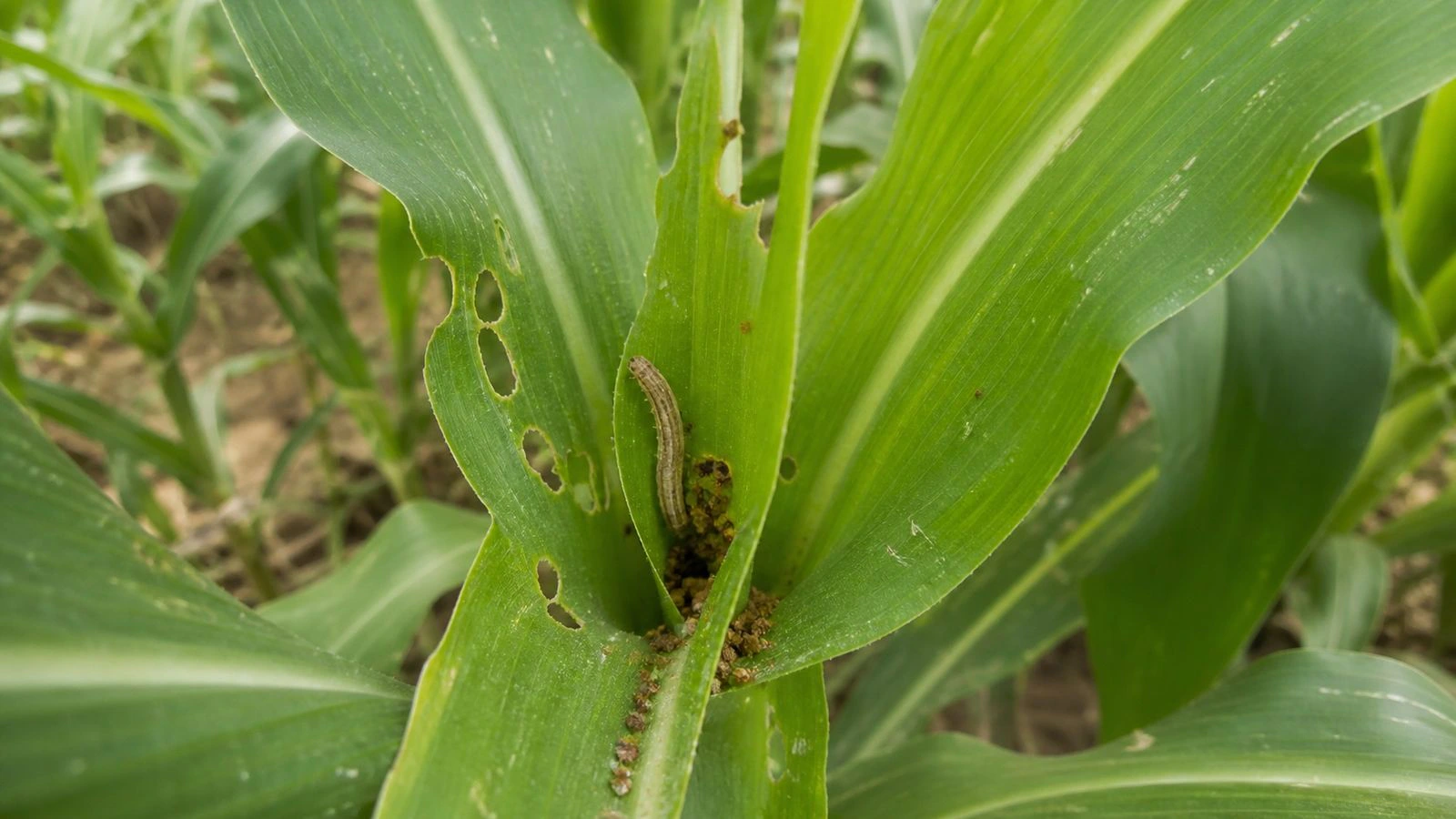
Two bottles of dark plant extract can look identical and still contain very different amounts of active material. One may reduce a pest; another may scorch leaves, affect beneficial insects or do nothing. That uncertainty not whether a treatment sounds “natural” is the central decision in botanical pest control.
This method guide explains how to judge a botanical option without giving an unsafe universal recipe. For the broader identify, prevent and monitor framework, first use Kumunda’s integrated pest management guide.
Why Plant-Based Treatments Vary
Botanical pest-control products contain substances derived from plants. Their effect depends on species, plant part, growing conditions, preparation, storage, target pest and application. Two homemade mixtures that look alike may not have equal strength.
A peer-reviewed evidence review found that homemade botanicals can sometimes reduce pests, but results vary and health and environmental risks remain uncertain. Some plants can harm people, livestock, fish, pollinators or crops. This guide therefore gives no universal homemade recipe or dose.
Under the Malawi Pesticides Act, the Pesticides Control Board registers and controls pesticides. If a registered botanical product is available, use it only for the crop and pest on its current label.
Match the Treatment to the Problem
Different problems can look alike. Caterpillars or beetles may make holes, while disease, water stress or poor nutrition can cause yellowing. A wrong treatment wastes money and can delay the correct response.
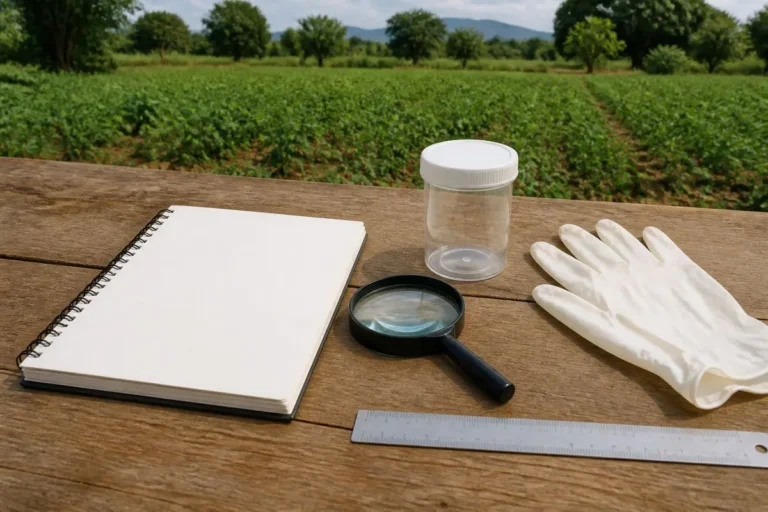
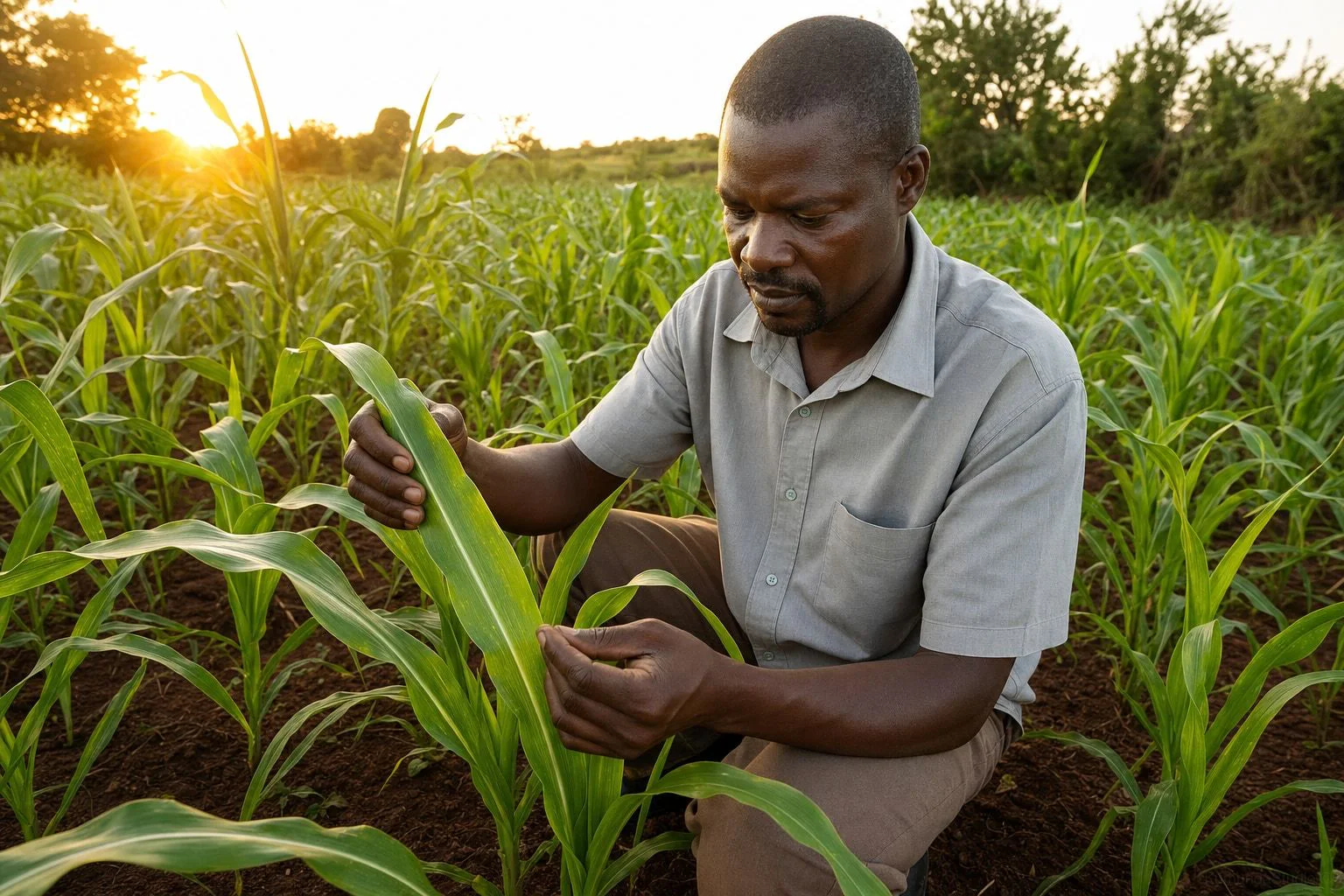
Photograph the pest and damage, or take a safely contained sample to an agricultural extension officer. Record when damage began and whether it is increasing. Ladybirds, spiders, wasps and other natural enemies may be helping; broad or repeated spraying can remove this protection.
Evidence and Authorization Check
Before using any botanical or conventional pesticide, confirm:
- The pest or disease has been identified.
- Fresh damage is increasing enough to justify action.
- Practical non-chemical measures have been considered.
- The product is currently authorised for that crop and pest.
- Every label direction can be followed.
- Required protective equipment is available.
- Children, livestock, water and beehives can be protected.
- Re-entry and pre-harvest intervals can be respected.
If an important answer is unclear, pause and seek qualified advice.
Reduce the Need for Treatment
- Plant at the locally recommended time where practical.
- Use healthy seed and suitable varieties from trusted sources.
- Rotate crops when the pest and available land make rotation useful.
- Manage confirmed pest hosts without leaving soil unnecessarily bare.
- Harvest promptly and keep stores clean, dry and regularly inspected.
- Avoid moving infested plants or grain into a clean field or store.
Use an Authorized Product Safely
Wear the protection stated on the label. Keep children and uninvolved people away from mixing and spraying. Never use food or drink containers, and never clear a blocked nozzle with the mouth.
Do not spray in strong wind, before heavy rain or near wells, streams and ponds. Prevent drift onto homes, animals, neighbouring crops and flowering plants. Keep products in original labelled containers, locked away from food, seed and feed. Never reuse pesticide containers.
If exposure causes illness, leave the source, follow the label’s first-aid directions and seek medical help promptly. Take the container or label when safe. Do not induce vomiting unless the label or a medical professional specifically instructs it.
Record the Result
Return after the recommended interval. Record fresh damage, pest numbers, beneficial insects and crop injury. Do not repeat treatment automatically; follow product limits and seek advice if control fails.
Trusted Sources
- FAO: Integrated pest management and Farmer Field Schools
- Government of Malawi: Pesticides Act
- Agronomy for Sustainable Development: Review of homemade botanical insecticides
Disclaimer: Educational information only. Confirm current product registration and instructions with a qualified extension officer or the Pesticides Control Board before use.
Related reading
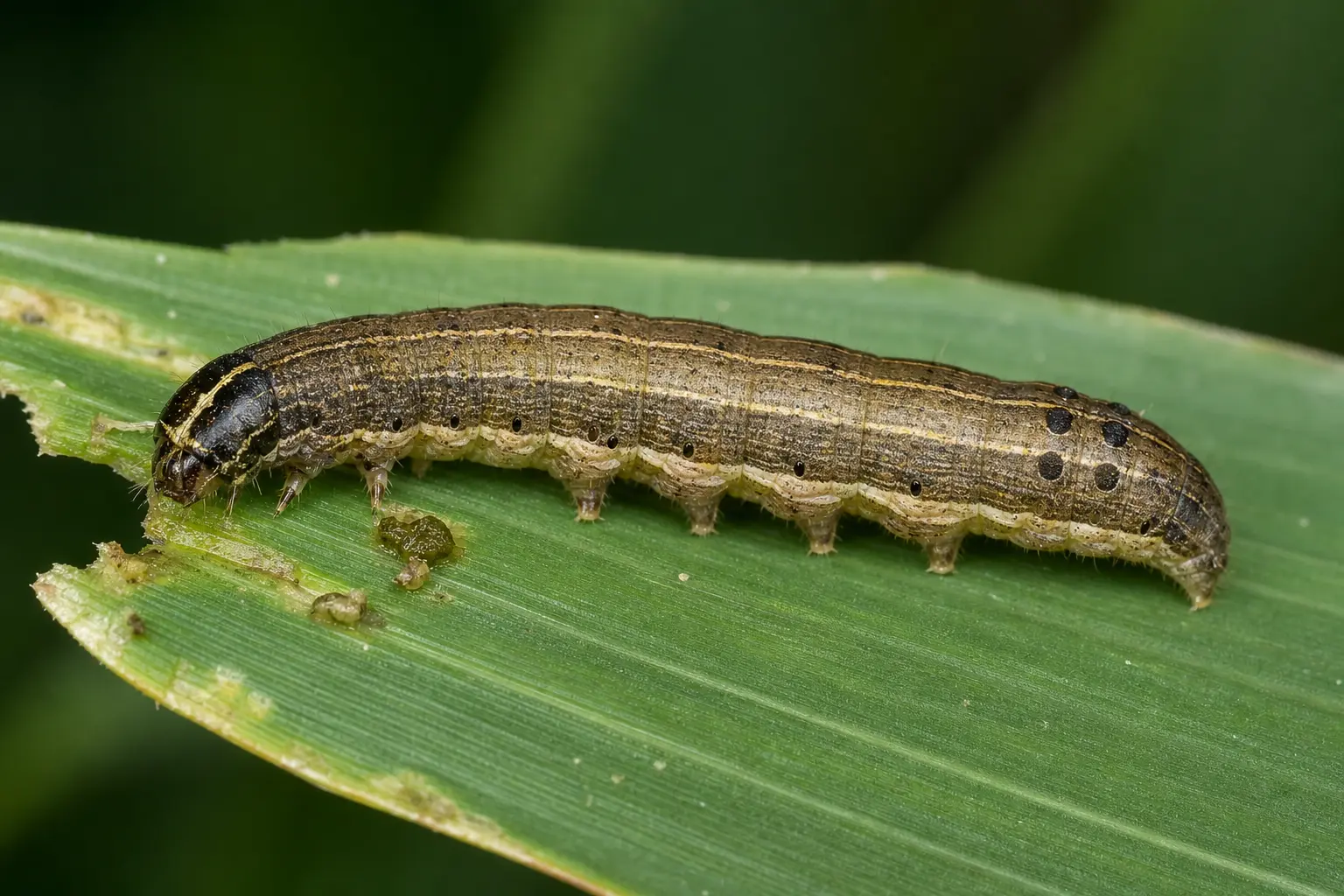
Fall Armyworm in Maize: How to Control It in 2026 and 2027
Learn how to scout maize, protect natural enemies and use integrated fall armyworm control safely in Malawi.
Integrated Pest Management for Malawi Crops
Learn how to prevent, identify, monitor and manage crop pests safely in Malawi using practical IPM steps for maize, beans and vegetables.