

Horse Farming in Malawi: A Practical Guide for Smallholders
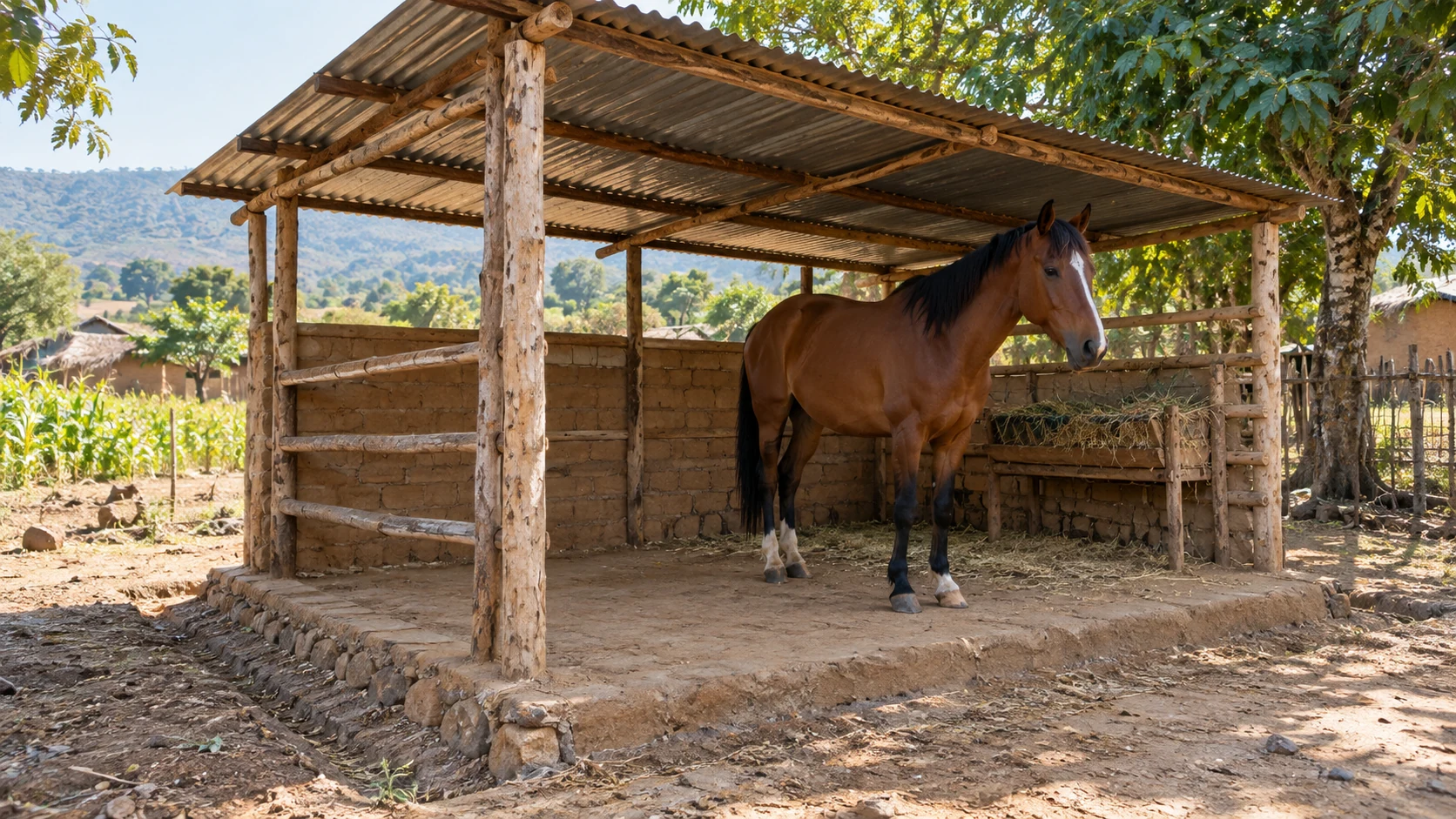
Horse farming in malawi is a niche activity. Most smallholders do not keep horses as a primary enterprise the way they keep cattle, goats, or poultry. In this guide, the focus is on horses kept for riding, transport or light work rather than intensive livestock production. The practical problem is that feed, shelter, and health advice are often borrowed from cattle practice or informal experience, while horse needs – steady forage quality, clean water, and early care for lameness – are easy to under-estimate. This guide uses Malawi feed and livestock-extension sources where available, alongside established equine guidance where Malawi-specific horse information is limited.
Is Horse Keeping Realistic for Smallholders?
Before buying or accepting a horse, weigh land, labour, feed, water, shelter, and cash. Horses need daily feeding, clean water, manure removal, hoof care, and regular health checks. On a small holding, relying only on roadside grass or seasonal crop residues is risky, especially through the dry season.
Be clear about the purpose of the horse. Transport, light draft work, or local riding may justify keeping one well-managed animal. Expanding into horses as a business without secure feed, shelter, fencing, and veterinary access can become expensive quickly. Start with one horse you can feed and manage throughout the year.
Buying Your First Horse in Malawi
Buying a horse should start with suitability, not price. In Malawi, horses are less commonly traded than cattle, goats, or poultry, so buyers may need to ask established horse owners, riding operators, veterinarians, livestock contacts, or agricultural networks rather than rely on ordinary livestock markets.
For a first horse, temperament and training matter more than sex. A calm, well-trained gelding is often the easiest choice, while an experienced mare can also be suitable. Beginners should generally avoid stallions, very young horses, or animals with difficult handling behaviour.
Before buying, ask the horse’s age, why it is being sold, what work it has done, what it eats, and whether it has had recent illness or injury. Watch it walk, turn, and being handled. If the purchase value is significant, arrange a veterinary examination where possible.
Do not budget only for the purchase price. Transport, fencing, shelter, feed, water, hoof care, veterinary attention, and equipment can cost more over time than the horse itself.
How much feed does a horse need?
A useful starting point is body weight. Most adult horses commonly consume around 1.5–2.5% of their body weight in total feed each day, with forage forming most of the ration. A 450 kg horse eating about 2% of its body weight would consume roughly 9 kg per day. Exact needs depend on workload, body condition, pregnancy, growth, and feed quality.
Before buying, ask one practical question: can you provide enough forage every day through the dry season, not only when grass is plentiful?
What should you check before buying?
- Calm handling and good temperament
- No obvious lameness, swelling, wounds, or poor body condition
- Healthy-looking eyes, coat, and feet
- Known feeding routine and health history
- Ability to be caught, led, tied, and handled safely
- Vaccination, deworming, hoof-care, and treatment history where available
There is no reliable national Malawi horse price list. Prices can vary widely with age, training, condition, intended use, location, and transport. Treat the asking price as only one part of the decision and calculate the likely annual cost of keeping the horse before buying.
Feed and Pasture Basics
Feed is likely to be one of the main ongoing costs. Malawi Ministry of Agriculture pasture work, summarised by FAO, shows unimproved dryland grassland produces far less dry matter than fertilised improved forages. Unimproved dryland pasture is reported at about 1,050 kg dry matter per hectare per year, while improved options such as Ntchisi panic grass and Gold Coast Napier grass are reported much higher in the same inventory (MOA 1983 via FAO). Those figures are from a livestock feed inventory, not horse-feeding trials. Use them as forage-supply context, not as guaranteed horse performance.
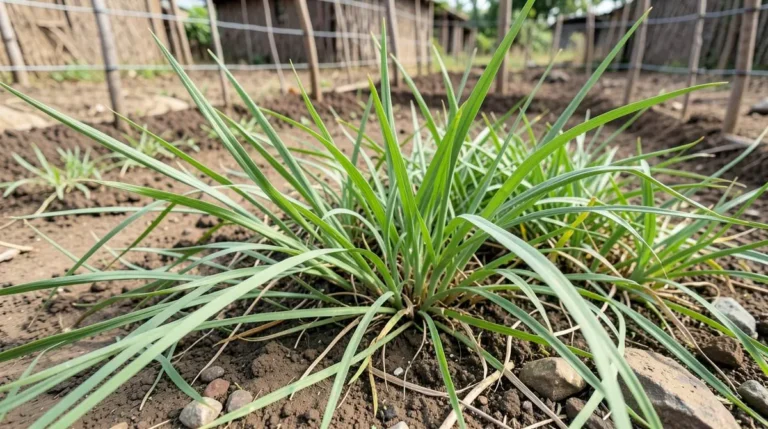
The practical lesson is management. High-yielding planted forages are described as better suited to cut-and-carry near the homestead, which avoids fencing communal grazing and keeps forage for your own animals. Species named in the inventory include Rhodes grass, Ntchisi panic, and Gold Coast Napier grass. Even a small planted plot cut regularly reduces reliance on overgrazed communal land. The same inventory notes that establishing improved pasture is expensive for traditional producers because fertilizer, fencing, and labour compete with crop land – so plant only what you can maintain.
Crop residues matter in the dry season. The FAO inventory highlights maize stover and groundnut tops as major livestock residues from about April onward, with supply thinning later as standing hay ages and bush fires remove cover. Plan dry-season feed early; do not assume roadside grazing will carry an animal from September to November. Mature standing hay has lower digestibility than younger improved forage, so late dry-season leftovers are a weak sole diet. Where maize bran or other mill by-products are available, they are listed among concentrate-type feeds in the national inventory, but supply is described as uneven – budget them as supplements, not as the whole ration.
Legumes and browse appear in the inventory with higher crude-protein values than mature dryland grass. Young improved grasses also show higher crude-protein figures than dry-season dryland grass in the MOA/FAO tables, while Leucaena leaf is listed among the higher-protein browse options. That is feed-composition data for livestock planning, not a horse ration recipe and not a promise of horse growth rates. If you use legume leaf or bran, introduce changes gradually and keep forage as the bulk of the diet.
Water and Daily Management
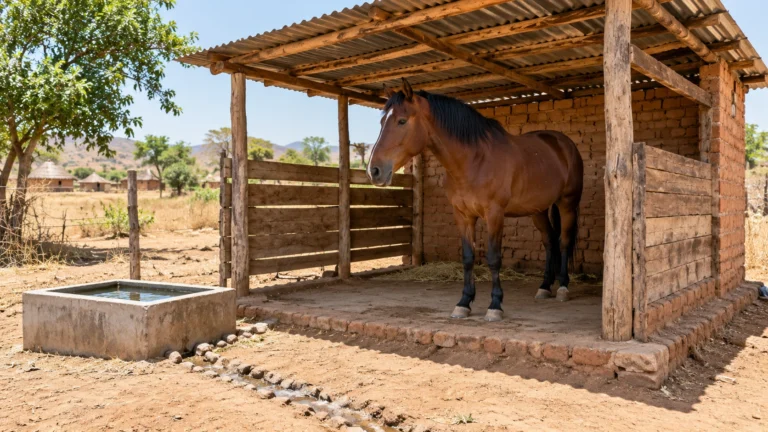
Clean water every day is non-negotiable. Horses on dry feed drink more, and dirty troughs can increase health risks. Keep water where manure cannot foul it. In the wet season, mud around the water point harms feet and skin – raise or drain the standing area if you can.
Check the animal daily: manure removed, appetite normal, no fresh wounds, dung looking usual. A horse that suddenly stops eating, shows signs of colic, develops severe lameness, or cannot bear weight normally needs prompt attention.
Shelter and Foot Care
A roofed, side-protected shelter with dry bedding is enough for most smallholders: midday shade, a dry place in heavy rain, and a windbreak on exposed sites. persistently wet footing can contribute to hoof problems, including thrush – scrape wet spots. Long or cracked hooves take an animal out of work quickly; budget for trimming if you cannot do it yourself, and clean mud from feet after wet-season work. A night enclosure near the house reduces theft and crop damage.
Health and Extension Support
Horse-specific veterinary services are not described as a national programme in the sources used here. What is documented is the Ministry of Agriculture’s Animal Health and Livestock Development extension framework. Ask livestock officers what local support exists for working animals, drugs, and referral.
When clinics are far, prevention matters: quarantine new animals; control flies and ticks with methods your livestock officer recommends; keep water and feed clean; treat wounds early; avoid overwork when condition is already poor in the late dry season. If an animal is down, colicky, or severely lame, seek a veterinary or livestock officer rather than escalating random treatments. This article does not claim mobile equine clinics or laboratory deworming schedules, because the cited sources do not document them.
Breeding and Working Use
Breed only if feed and water already work for the mare you have. Pregnant or lactating mares need better forage and reliable water. Match work to condition: light transport on a well-fed animal is different from heavy draft on a thin horse in October. Rest animals that are losing weight. Where horses share space with cattle, separate feeding points reduce injury. Keep simple records of purchase and treatment to help extension staff advise you.
Costs and limits should stay realistic. The available Malawi feed sources show that forage can be produced, but they do not prove that every smallholder can establish improved pasture successfully, and they do not provide reliable national horse-price data. If you cannot secure enough forage and water through the late dry season, postpone buying.
A sensible starting point is one manageable horse, secure feed and water, basic shelter, safe handling, and access to livestock extension or veterinary advice when needed. Expand only after you know the real cost and workload of keeping that first animal well.
*This content is for educational purposes only. Farming outcomes vary depending on weather, location, feed availability, animal condition, and management. Consult a qualified veterinarian or livestock extension officer before making major livestock decisions.*
FAQ
- What forage options are available for a smallholder horse in Malawi? Planted improved forages where possible (for example Rhodes grass, Ntchisi panic, or Napier-type grasses from the Malawi pasture inventory), plus planned dry-season crop residues such as maize stover and groundnut tops. Treat published dry-matter figures as livestock feed inventory data, not horse trial results.
- How much land is needed? Sources do not give a horse-specific stocking rate. FAO notes high-yielding planted forages can be used in cut-and-carry near the homestead, which suits small holdings better than relying only on open communal grazing.
- Is veterinary care available? The Ministry of Agriculture maintains an Animal Health and Livestock Development extension framework. Horse-specific services are not detailed in the sources used here – ask local livestock officers what is available in your district.
- Can horses graze with cattle? They may share grazing areas, but management needs differ. Watch competition at feed and water points and ask extension staff about local parasite control advice.
- Where can I find local support? Start with Ministry of Agriculture livestock extension contacts and regional offices. The feed inventory cited in this article draws on work associated with Chitedze Research Station and the Pasture Handbook for Malawi.
- What breaks horse keeping most often? Running out of usable feed in the late dry season, dirty water, wet muddy footing, and delayed response to lameness or wounds.
- Should I breed my mare? Only after you can feed and water her well through the dry season. Breeding before feed is secure multiplies risk.
Related reading: Kumunda’s practical farming guides
For official guidance, consult the Malawi Ministry of Agriculture.
Related reading
Don’t Wait Until Planting Season to Fix Your Farm Tools. By Then, It’s Already Too Late
The same thing happens on farms across Malawi every year. The harvest is sold. Money is in hand. Then comes the spending: food, school fees, debts, and household needs. A few months later, when nursery preparations begin, a farmer reaches for the watering cans and finds rust, leaking seams, and handles that snap on first […]